


Flour Tips
7 Japanese Bread Flour Recipes to Bake Soft, Fluffy Loaves at Home
Haru Sakura Japanese bread flour helps produce a softer, more pillowy crumb because it has a low ash content and a stated protein level of 12.2% to 13%, strong enough to build a stable gluten network yet fine enough to stay tender after baking.
Malaysian home bakers chasing that bakery-style shokupan texture need two things: flour with the right protein strength and a tangzhong starter that locks in moisture before the oven ever turns on.
Seven Japanese soft bread recipes below use Haru Sakura, MFM Flour’s Japanese high-protein bread flour milled specifically for the tangzhong method.
What Is Japanese Bread Flour?
Japanese bread flour sits above Malaysia’s common all-purpose flour, which typically measures 12.2% to 13% protein, and gives dough the elastic gluten structure a tall, airy shokupan loaf needs.
MFM Flour’s Haru Sakura range brings this protein specification to Malaysian kitchens and commercial bakeries, milled and packed for consistent hydration absorption batch after batch.
Bakers combine Japanese bread flour with the tangzhong or yudane method instead of a straight dough mix.
Tangzhong cooks a small portion of flour and liquid to 65°C before folding it into the main dough. The heat pre-gelatinizes the starch, so the finished crumb holds more water without turning gummy.
Speak with MFM Flour for 25kg commercial supply or look for the 1kg pack for home baking before buying imported flour in bulk.
Why Japanese Soft Bread Stays Softer Longer
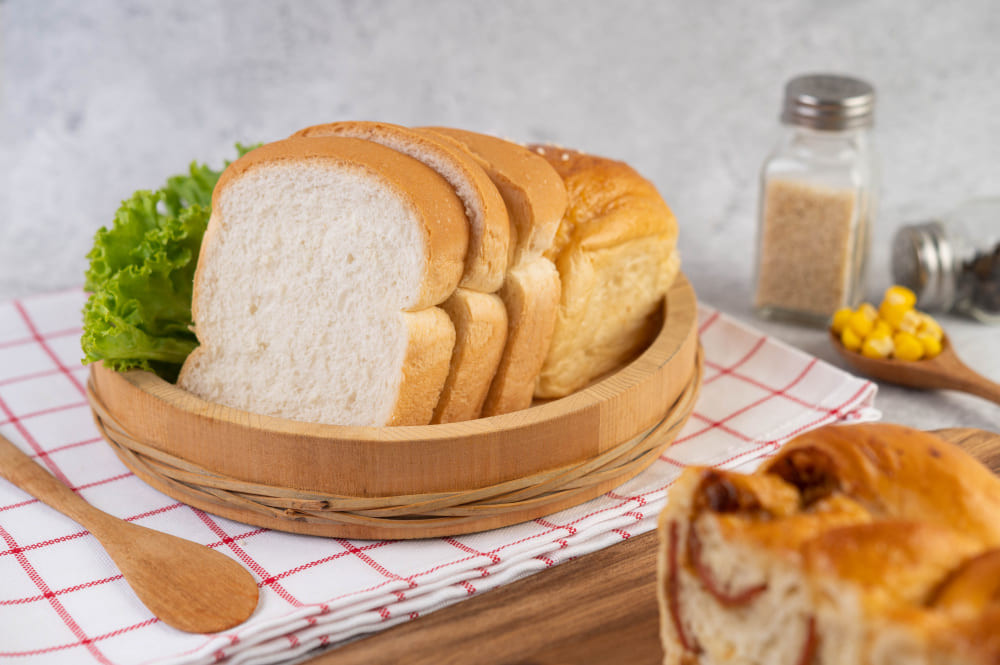
Higher protein flour combined with tangzhong changes two things: gluten strength and moisture retention.
Gluten strands trap the steam tangzhong generates during baking, so the crumb rises taller and springs back after a light press. Moisture retention extends usable shelf life.
A tangzhong loaf baked with Haru Sakura stays soft for 4 to 5 days at room temperature, while a loaf made with standard all-purpose flour dries out within 2 days in most Malaysian kitchens.
Home bakers who swap in all-purpose flour lose both benefits. Lower protein weakens the gluten network, so the loaf collapses slightly after cooling, and the crumb dries out faster since less water gets trapped during baking.
Quick Comparison of Japanese Bread Flour vs Regular Flour
| Flour Type | Protein Content | Best For | Typical Shelf Life |
|---|---|---|---|
|
Japanese Bread Flour (Haru Sakura)
|
12.2% – 13% |
Shokupan, milk bread, soft buns |
4-5 days
|
|
All-Purpose Flour |
8% – 10%
|
Pastries, biscuits, flatbread
|
2 days
|
Find out more about the all purpose flour recipes and self raising flour recipes to see which one you could use to make sweet and savoury goods.
7 Japanese Bread Flour Recipes to Try at Home
Each recipe below uses Haru Sakura and the tangzhong method, so swap in your usual fillings and shapes without changing the flour ratio.
1. Classic Shokupan Loaf
Ingredients
- 250g MFM Haru Sakura Japanese bread flour
- 50g tangzhong paste
- 130ml fresh milk
- 25g sugar
- 5g salt
- 25g unsalted butter
- 4g instant yeast
Steps
- Mix flour, tangzhong, milk, sugar, salt, and yeast, then knead until combined.
- Add butter and knead until the dough becomes smooth and elastic.
- Proof until doubled, divide into 3 logs, and place in a pullman tin.
- Proof until 80% full, then bake with the lid on at 180°C for 30 to 35 minutes.
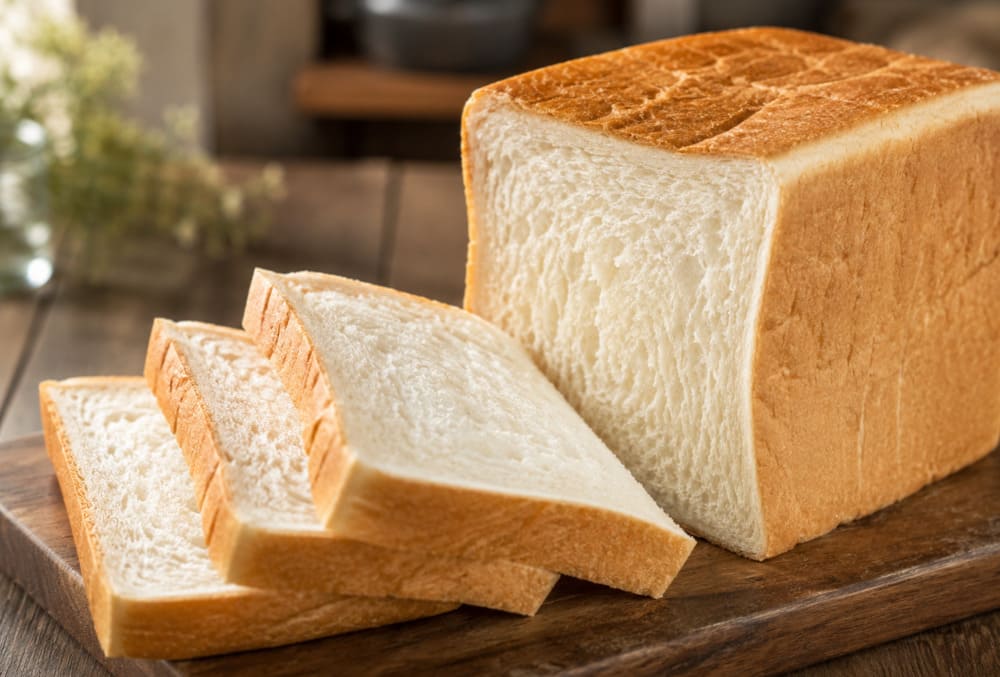
With its strong yet fine flour structure, MFM Haru Sakura Japanese Bread Flour helps shokupan bake into a tall loaf with a soft, cottony crumb.
2. Hokkaido Milk Bread Rolls
Ingredients
- 250g MFM Haru Sakura Japanese bread flour
- 50g tangzhong paste
- 100ml fresh milk
- 40g condensed milk
- 30g sugar
- 4g salt
- 30g unsalted butter
- 4g instant yeast
Steps
- Mix all ingredients except butter, then knead until the dough comes together.
- Add butter and knead until smooth, then proof until doubled.
- Divide into 8 portions, shape into balls, and place in a lined tray.
- Proof again, brush with condensed milk, and bake at 170°C for 18 to 20 minutes.
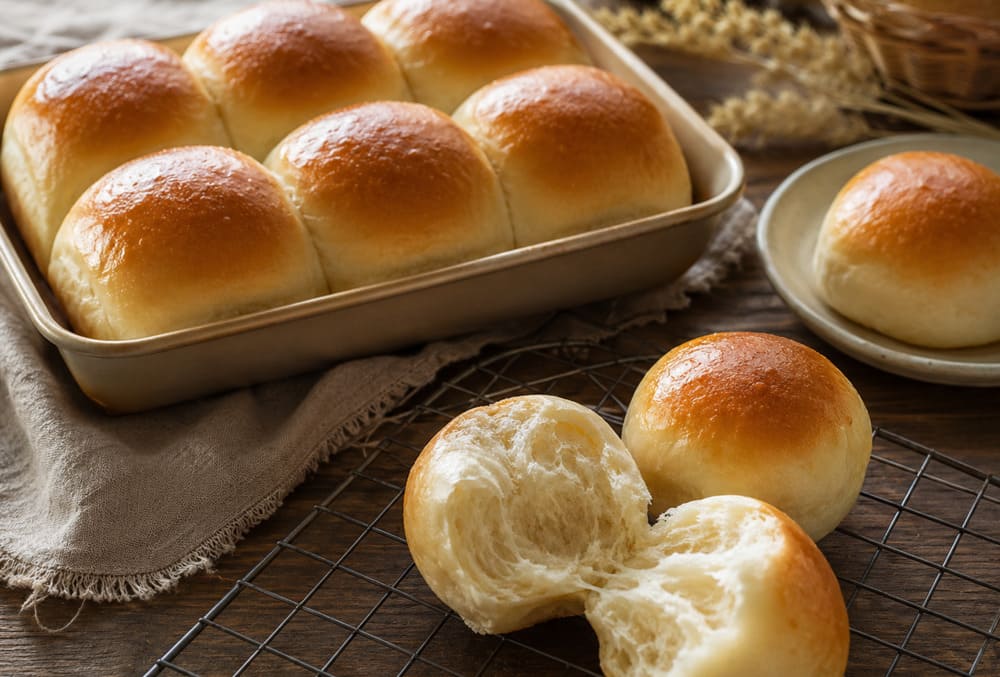
These rolls turn out light and fluffy because MFM Haru Sakura Japanese Bread Flour supports a tender pull-apart texture.
3. Matcha Swirl Milk Bread
Ingredients
- 250g MFM Haru Sakura Japanese bread flour
- 50g tangzhong paste
- 130ml fresh milk
- 25g sugar
- 5g salt
- 25g unsalted butter
- 4g instant yeast
- 10g culinary matcha powder
- 1 tsp warm water
Steps
- Prepare the milk bread dough and knead until smooth.
- Divide the dough into two portions, then mix dissolved matcha into one half.
- Roll both doughs flat, stack them, and roll into a loaf.
- Proof until doubled, then bake at 180°C for 30 minutes.
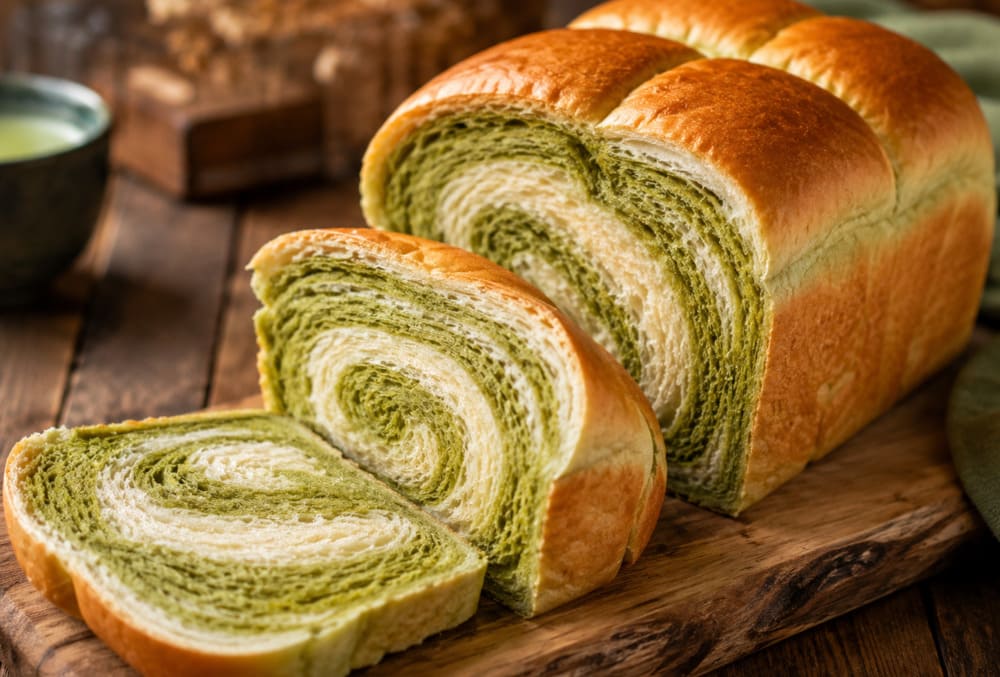
The soft dough structure from MFM Haru Sakura Japanese Bread Flour helps the matcha layers stay clear without making the loaf heavy.
4. Salt Bread
Ingredients
- 250g MFM Haru Sakura Japanese bread flour
- 50g tangzhong paste
- 120ml fresh milk
- 20g sugar
- 5g salt
- 25g unsalted butter
- 4g instant yeast
- 40g salted butter, cut into 8 sticks
- Flaky sea salt for topping
Steps
- Mix flour, tangzhong, milk, sugar, salt, and yeast, then knead until combined.
- Add unsalted butter and knead until smooth, then proof until doubled.
- Divide into 8 pieces, roll each with salted butter inside, and shape into rolls.
- Proof for 30 minutes, sprinkle with flaky sea salt, and bake at 190°C for 15 to 18 minutes.
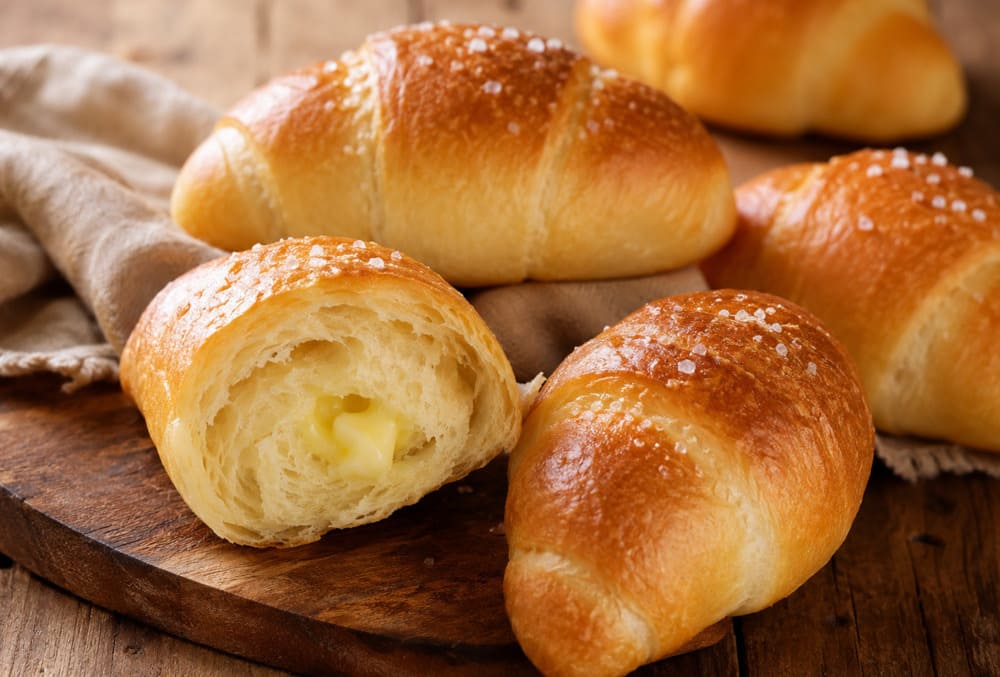
MFM Haru Sakura Japanese Bread Flour gives salt bread a soft, airy crumb while helping the dough hold its buttery centre and lightly crisp crust.
5. Anpan Red Bean Buns
Ingredients
- 250g MFM Haru Sakura Japanese bread flour
- 50g tangzhong paste
- 130ml fresh milk
- 25g sugar
- 5g salt
- 25g unsalted butter
- 4g instant yeast
- 200g red bean paste
- 1 egg for egg wash
- Black sesame seeds
Steps
- Prepare the dough and proof until doubled.
- Divide into 50g portions and flatten each piece.
- Fill each portion with red bean paste and seal tightly.
- Proof for 30 minutes, brush with egg wash, add sesame seeds, and bake at 180°C for 15 minutes.
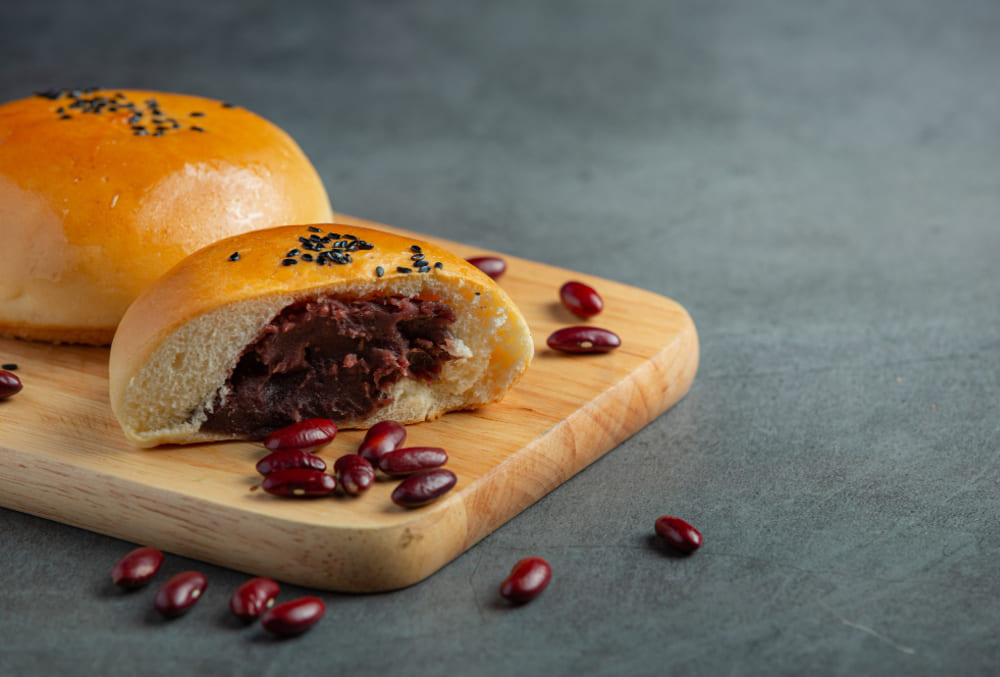
A soft and stable dough makes it easier to wrap red bean paste neatly, which is why MFM Haru Sakura Japanese Bread Flour works well for anpan.
6. Melonpan Cookie-Crusted Buns
Ingredients
- 250g MFM Haru Sakura Japanese bread flour
- 50g tangzhong paste
- 130ml milk
- 25g sugar
- 5g salt
- 25g unsalted butter
- 4g instant yeast
Cookie Topping
- 60g butter
- 60g sugar
- 1 egg
- 120g plain flour
- Few drops of vanilla
Steps
- Prepare the milk bread dough and proof until doubled.
- Divide into 8 balls, then cover each with flattened cookie dough.
- Score a criss-cross pattern and coat lightly with sugar.
- Proof for 30 minutes, then bake at 180°C for 15 to 18 minutes.
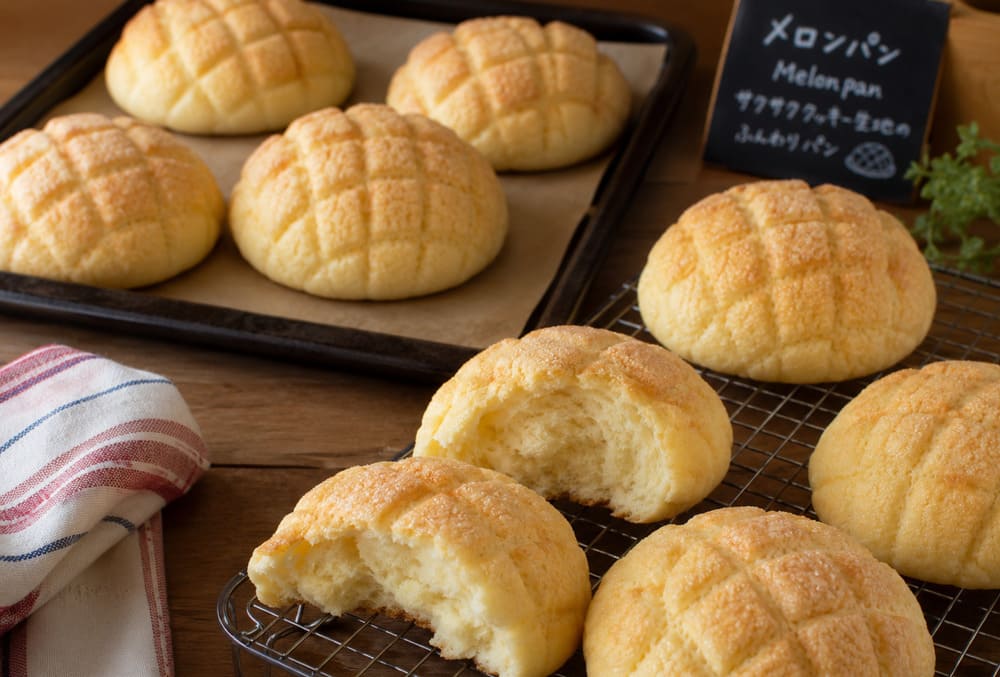
The bread base stays soft and fluffy under the crisp cookie crust when made with MFM Haru Sakura Japanese Bread Flour.
7. Cinnamon Swirl Roll
Ingredients
- 250g MFM Haru Sakura Japanese bread flour
- 50g tangzhong paste
- 130ml milk
- 25g sugar
- 5g salt
- 25g unsalted butter
- 4g instant yeast
Filling
- 50g softened butter
- 60g brown sugar
- 2 tsp cinnamon
Optional Glaze
- 50g cream cheese
- 30g icing sugar
- 1 tbsp milk
Steps
- Prepare the dough and proof until doubled.
- Roll into a rectangle, then spread with butter, brown sugar, and cinnamon.
- Roll into a log, slice into 8 pieces, and place in a baking tray.
- Proof for 30 to 40 minutes, bake at 175°C for 20 to 22 minutes, and glaze while warm.
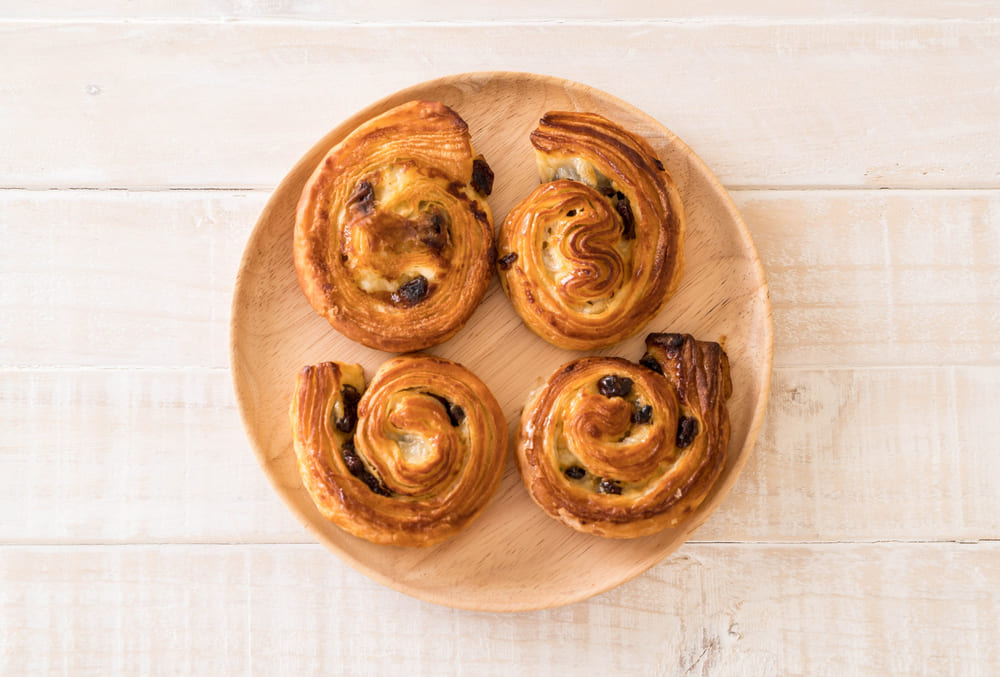
For cinnamon rolls, MFM Haru Sakura Japanese Bread Flour helps create a tender crumb that still holds the spiral shape after baking.
Contact MFM Flour to check Haru Sakura stock and request a sample for your bakery.
5 Baking Tips for Malaysia's Climate
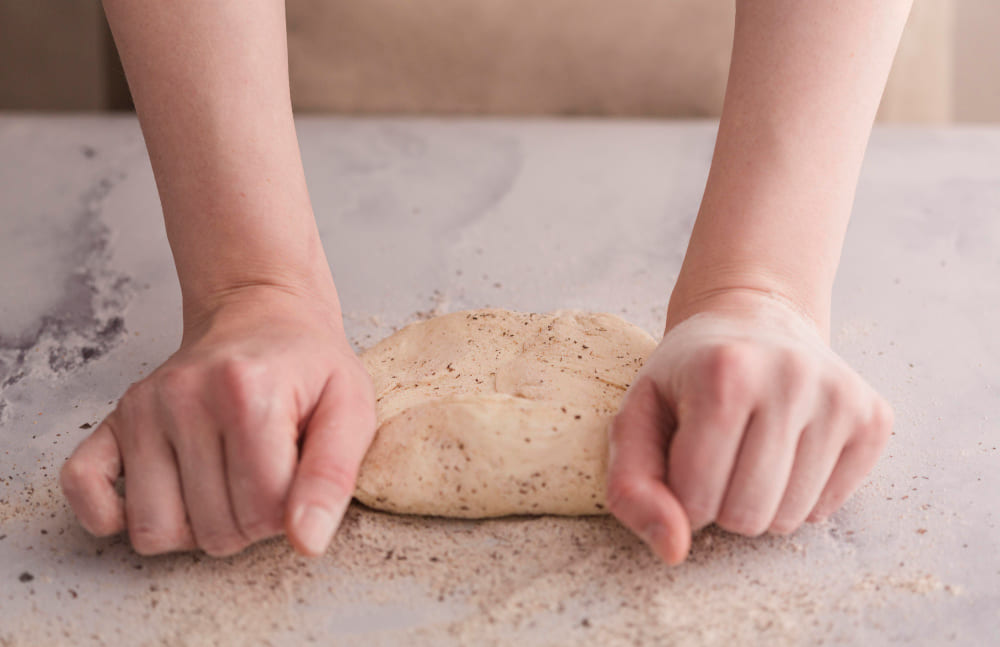
Malaysia’s warm and humid weather can affect how bread dough rises, so small adjustments help keep the texture soft and consistent.
- Check the dough earlier: Malaysia’s humidity often sits above 80%, so dough may proof faster than expected. Check the first proof at around 45 minutes instead of waiting a full hour.
- Watch the room temperature: Kitchens at 28°C to 30°C can speed up yeast activity, especially for soft Japanese bread recipes.
- Keep ingredients cool: Chill the tangzhong and milk before mixing to help keep the dough temperature below 26°C.
- Avoid over-relaxed dough: Cooler dough is easier to shape and helps the gluten stay strong before baking.
- Store flour properly: Keep Haru Sakura Japanese bread flour in an airtight container away from direct sunlight, as Malaysia’s humidity can shorten flour shelf life once the bag is opened.
How MFM Flour Makes Japanese Bread Baking Easier in Malaysia
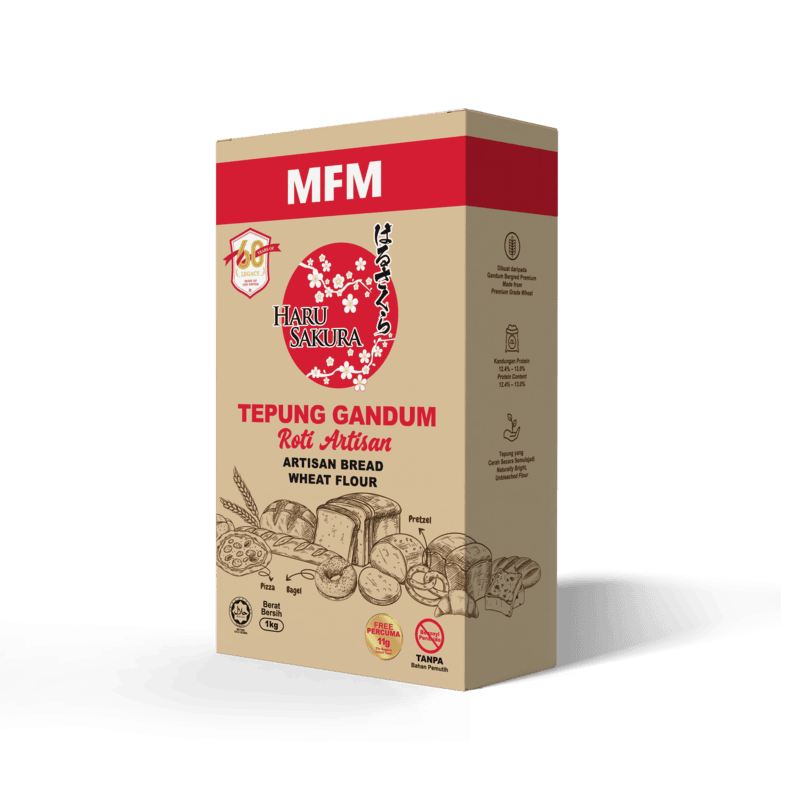
MFM Flour makes Japanese-style bread baking more accessible in Malaysia with Haru Sakura (commercial 25kg supply and consumer 1kg packs), a premium low-ash Japanese bread flour milled specifically for Japanese and Taiwanese-style sweet buns and bread loaves with a moist, spongy, and fine crumb texture.
Haru Sakura carries a stated protein range of 12.2% to 13.0%, giving bakers a reliable flour base for soft bread recipes such as shokupan, milk bread, and filled buns. This supports more consistent results without changing flour type between batches for scaling production.
As Malaysia’s established flour distributor in Malaysia, MFM Flour also stocks high, medium, and low-protein wheat flour with vitamins, self-raising flour, and all-purpose flour, letting bakeries sourcing multiple flour types consolidate with one supplier.
Start Baking Softer Japanese Bread with Haru Sakura
Japanese soft bread depends on the right flour structure, moisture control, and a dough method that supports a light, fluffy crumb.
With Haru Sakura Japanese bread flour, MFM Flour gives Malaysian bakers a reliable high-protein flour made for soft loaves, milk bread, shokupan, buns, and other tangzhong-based recipes.
Home bakers can achieve bakery-style results more easily without relying on small-batch imported flour. Commercial kitchens also benefit from a consistent flour supply that supports repeated production with fewer recipe adjustments.
Bring softer, taller, and more consistent Japanese bread into your kitchen with MFM Flour’s Haru Sakura.
Contact MFM Flour today to enquire about retail packs or bulk supply for your baking needs.
Frequently Asked Questions About Japanese Bread Flour Recipes
1. What makes MFM Haru Sakura Japanese Bread Flour ideal for shokupan and milk bread?
MFM Haru Sakura Japanese Bread Flour uses Japanese milling technology and features a low ash content for a whiter crumb, along with a 12.2%–13.0% protein level to produce soft, moist bread with a fine, fluffy crumb, making it ideal for shokupan and milk bread.
2. Can I substitute all-purpose flour for Japanese bread flour in shokupan?
You can, but the loaf may rise less and dry faster because all-purpose flour has lower protein than Haru Sakura Japanese bread flour.
3. Does Japanese bread flour need the tangzhong method to work?
No, but tangzhong helps Japanese bread achieve the extra-soft, moist crumb it is known for.
4. How should I store Japanese bread flour in Malaysia's climate?
Store Haru Sakura in an airtight container away from sunlight and humidity once opened.
5. How much Japanese bread flour do I need for one shokupan loaf?
A standard 450g pullman loaf usually needs about 250g of Haru Sakura Japanese bread flour.